
Diabetic Foot Doctor Guide for Rochester, NY Patients in 2026
Diabetic foot care is one of the most important health topics for people living with diabetes in Rochester, NY, and working with a knowledgeable Foot Doctor can help prevent serious complications before they start.
In New York State, diabetes affects a significant portion of the adult population, and Monroe County residents are no exception. Rochester winters bring cold temperatures, icy sidewalks, and heavy footwear that can hide developing foot problems for weeks. Combined with the nerve damage and poor circulation diabetes often causes, this regional climate makes proactive foot care especially critical for local patients.
Why Diabetic Patients Need a Foot Doctor
Diabetes can reduce feeling in the feet. When sensation fades, small cuts, blisters, or pressure sores may go unnoticed until they become serious wounds. Poor circulation also slows healing, so a minor sore can worsen quickly.
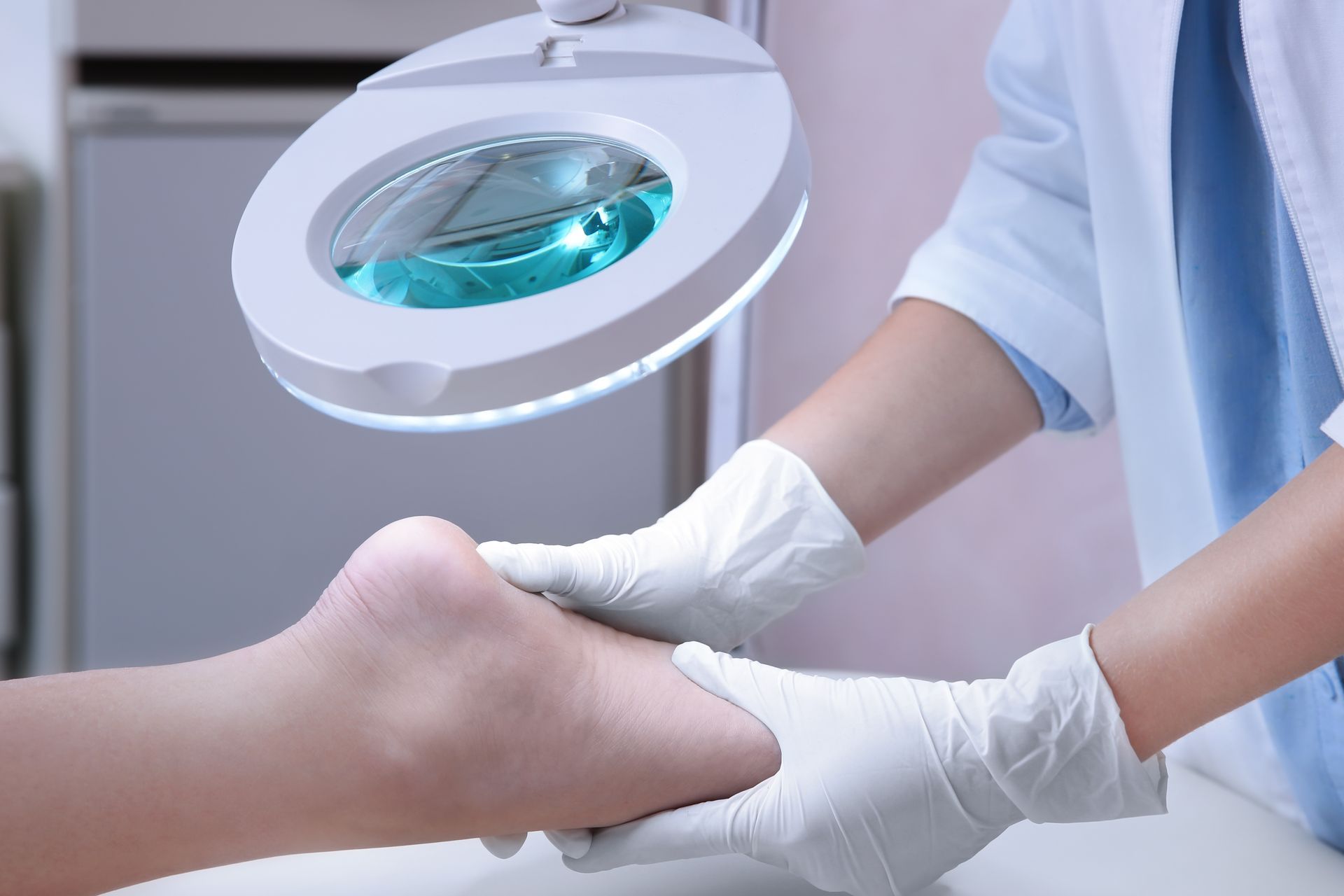
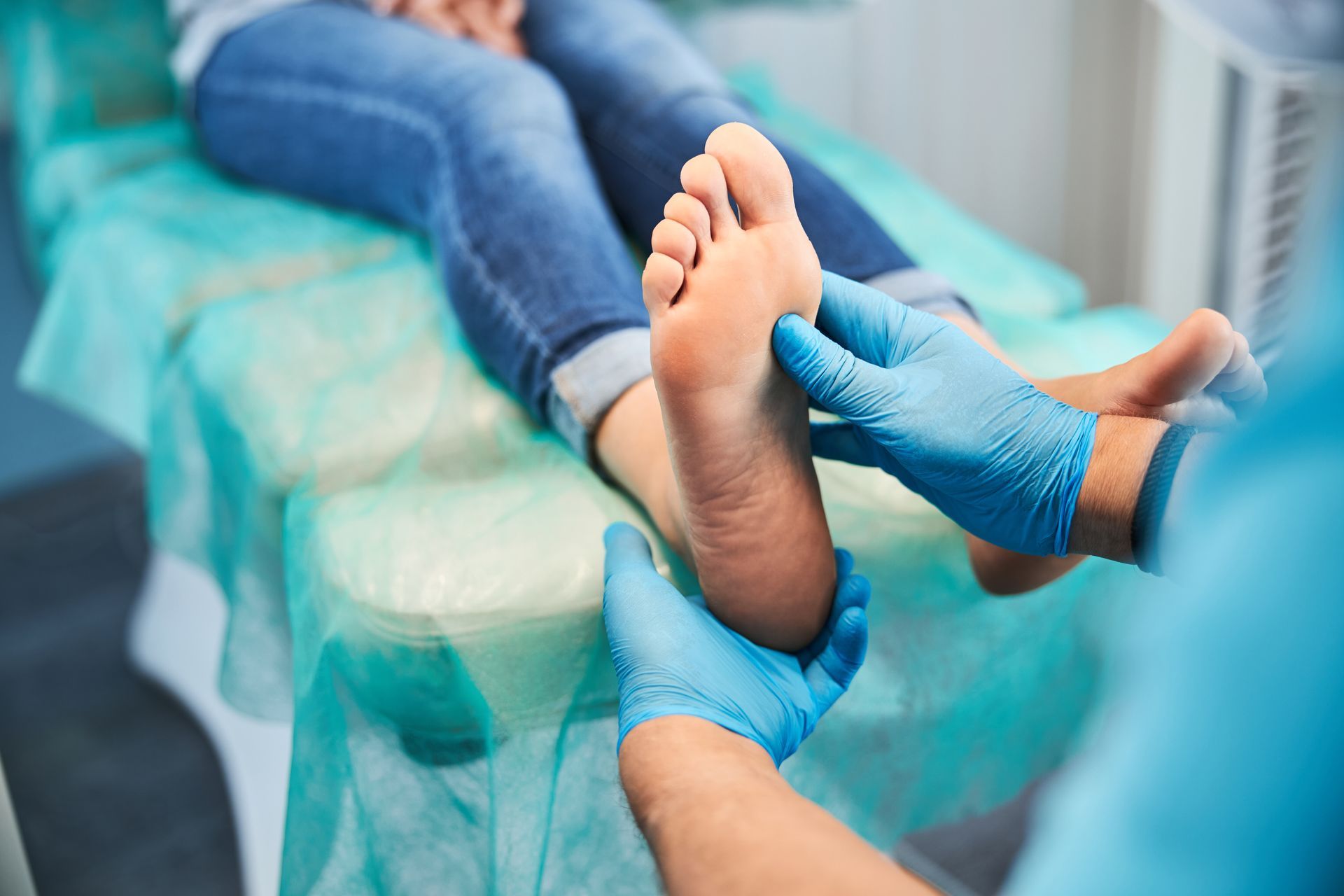
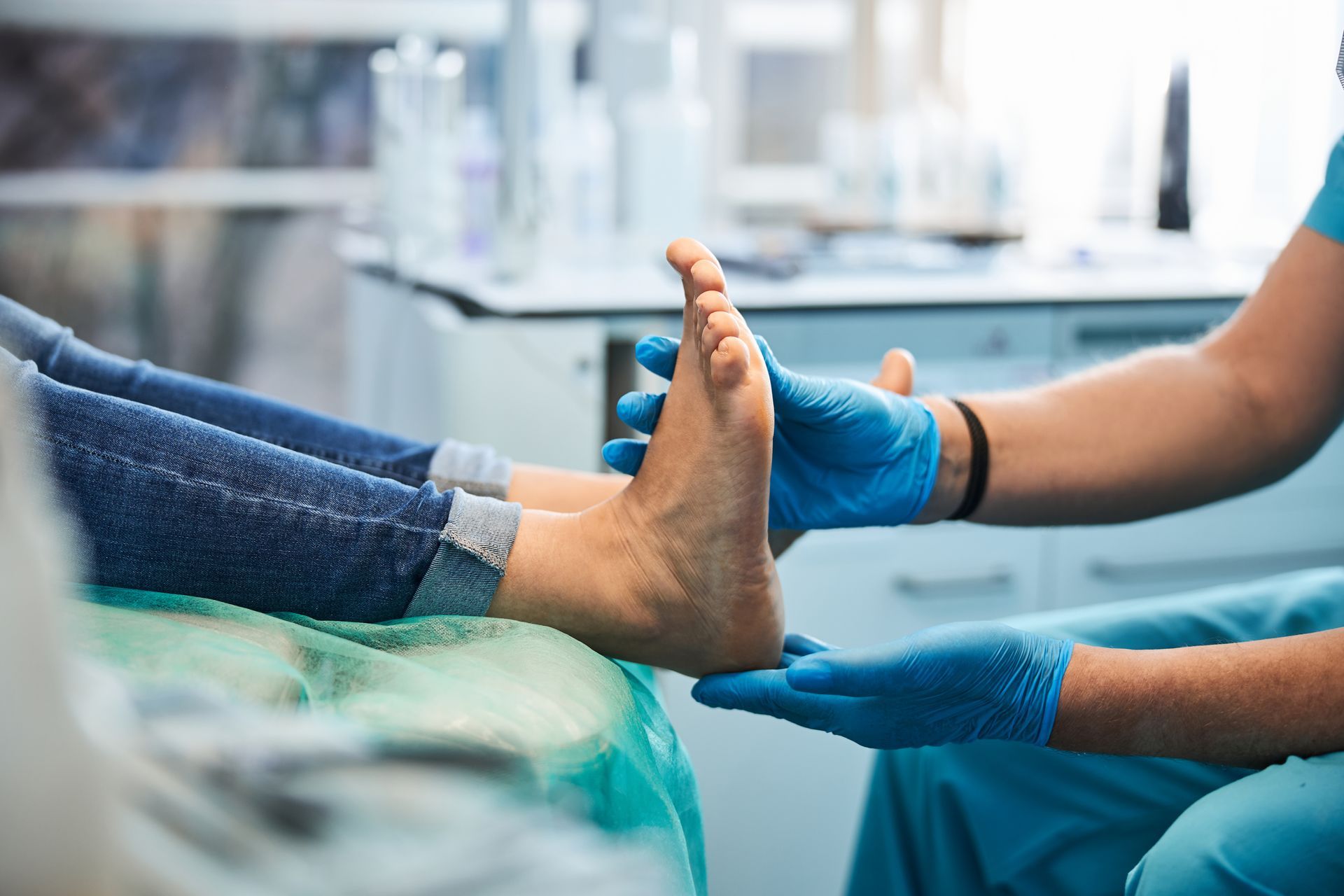
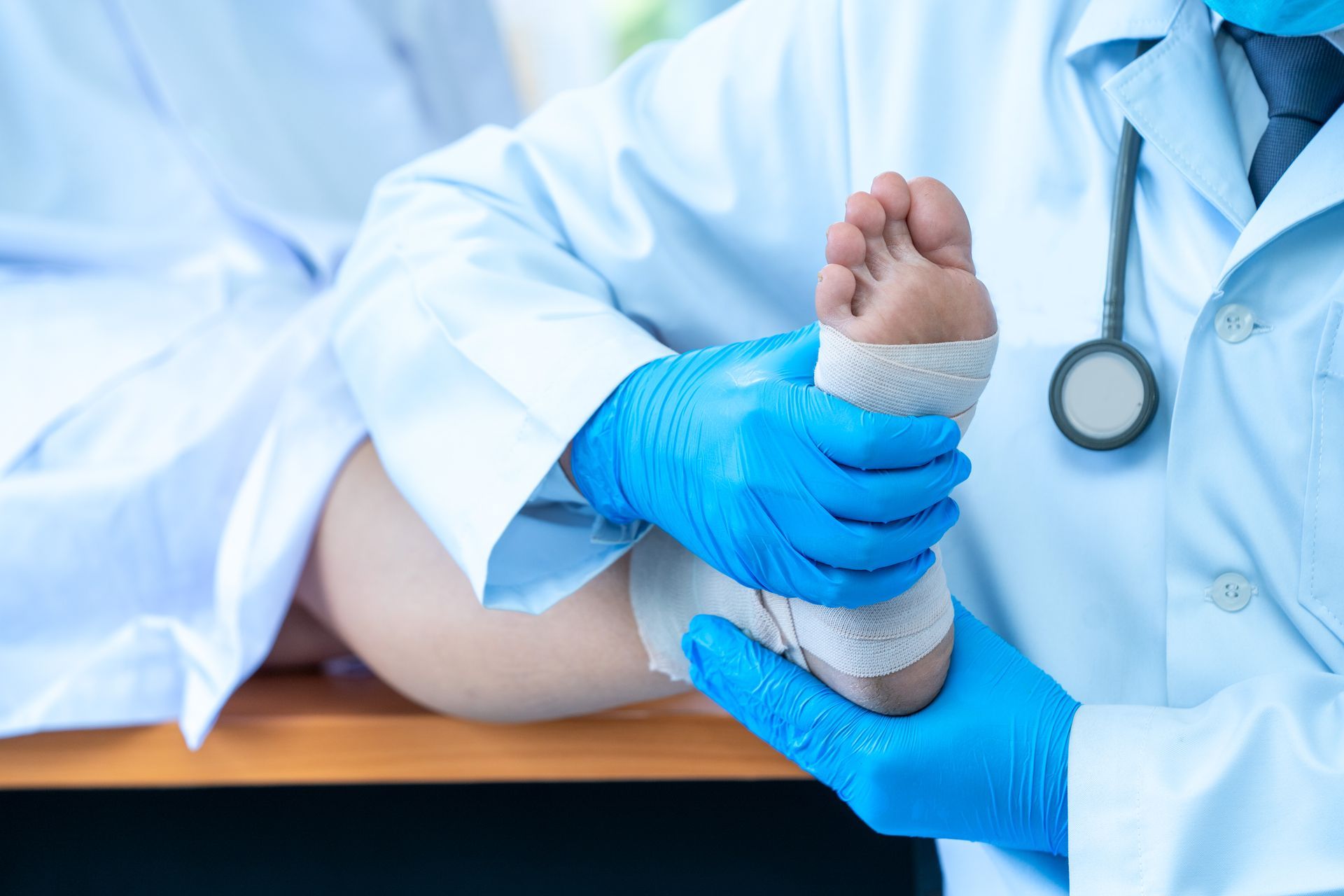
Podiatric visits add professional oversight that daily self-checks alone cannot replace. A trained Foot Doctor can identify early signs of infection, nerve damage, and circulation problems during a routine exam, often before symptoms become obvious. Rochester-area patients who stay active on the Erie Canal Trail or spend long hours on their feet at work may face added pressure and friction without realizing it.
Common Diabetic Foot Conditions to Know
Several conditions occur more frequently in diabetic patients and deserve attention.
- Diabetic peripheral neuropathy causes tingling, numbness, or burning in the feet and makes injuries easier to miss.
- Peripheral arterial disease slows blood flow to the lower extremities and delays wound healing.
- Foot ulcers are open sores that develop from minor skin breaks, particularly on pressure points such as the ball of the foot or heel.
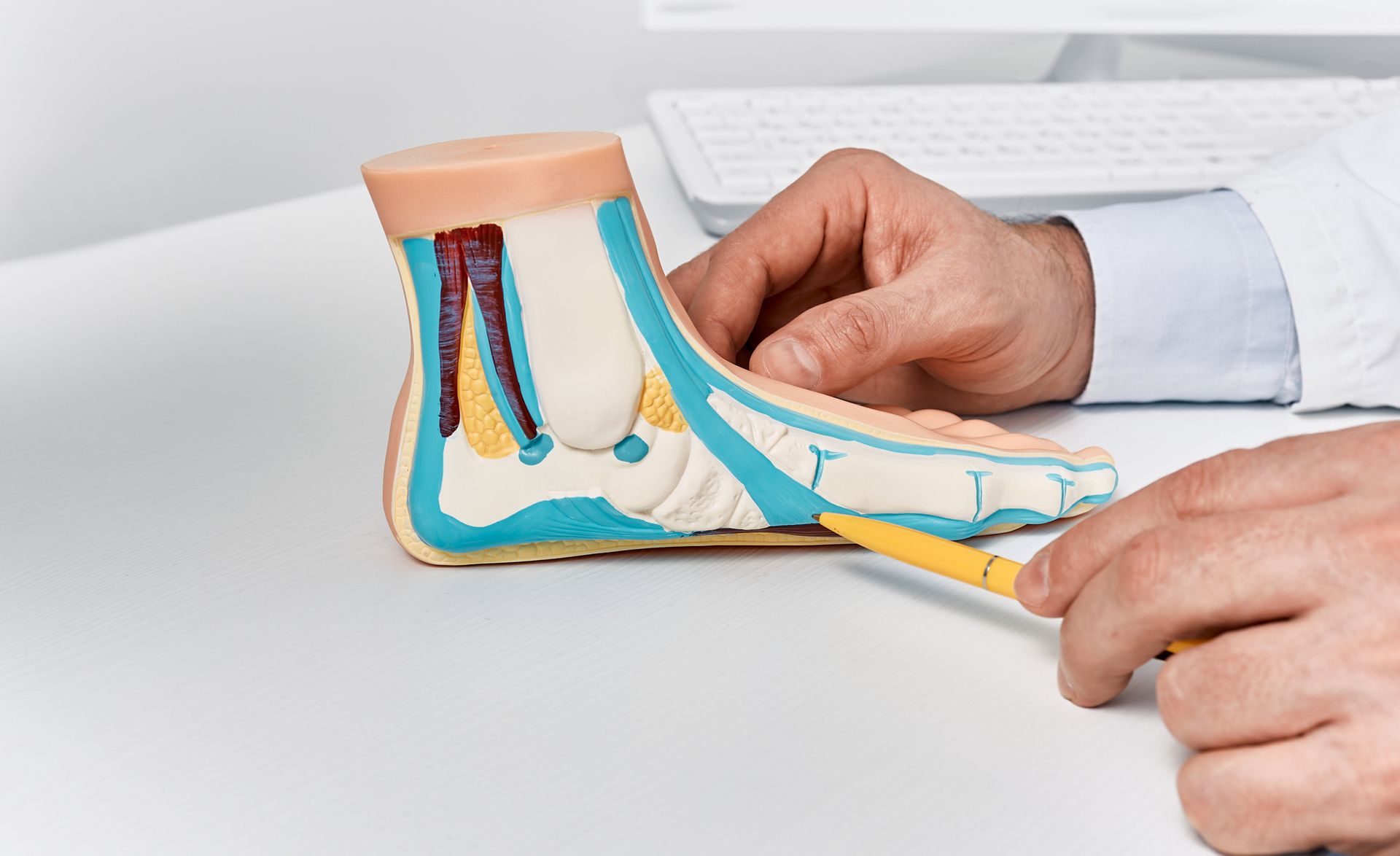
- Charcot foot occurs when nerve damage weakens the bones, causing them to shift and fracture, sometimes without obvious pain.
- Ingrown toenails and fungal nail infections can escalate into serious infections more quickly in diabetic patients.
- Calluses and corns, if left untreated, may break down the skin underneath and lead to ulceration.
Knowing what to watch for helps patients act sooner. Scheduling regular visits with a Foot Doctor is the most reliable way to stay ahead of these risks.
What a Rochester Podiatrist Checks at Each Visit
A diabetic foot exam is more thorough than a standard checkup. Patients can typically expect:
- A nerve sensitivity check using a monofilament tool or tuning fork.
- A circulation assessment to check blood flow to the toes and feet.
- A skin and nail inspection to identify cracks, calluses, fungal growth, or early ulcers.
- A footwear review to ensure shoes are not creating harmful pressure points.
- Nail and callus debridement when needed to reduce infection risk.
- A wound care plan and coordination with primary care or vascular specialists if needed.
These exams create a running record of your foot health over time, helping your care team respond before a problem becomes a crisis.
Prevention Tips Every Diabetic Patient Should Practice
Simple daily habits can significantly reduce the risk of serious complications.
- Inspect your feet every day, including the bottoms and between the toes.
- Wash feet daily in lukewarm water and dry thoroughly, especially between the toes.
- Moisturize the tops and bottoms of your feet to prevent cracking, but avoid applying lotion between the toes.
- Wear well-fitted shoes and clean socks every day. Never walk barefoot, even indoors.
- Trim toenails straight across and file sharp edges to reduce ingrown nail risk.
- Avoid heating pads on your feet, since reduced sensation can lead to burns.
- Manage blood sugar as directed by your medical team to support better circulation and healing.
During Rochester winters, poor circulation already limits how well feet regulate temperature. Extra-thick socks and insulated, properly fitted footwear become essential. If you are unsure whether your current footwear is adequate, a Foot Doctor can assess your shoes and recommend appropriate alternatives.
When Should a Diabetic Patient Seek Urgent Foot Care?
Do not wait for a scheduled visit if you notice any of the following:
- Any open wound, ulcer, or blister that does not begin healing within a few days.
- Redness, warmth, or swelling around a wound or in the foot.
- A foul smell or discharge from any area of the foot.
- Sudden changes in the color or temperature of your foot or toes.
- Black or darkened skin, which can signal tissue death requiring immediate treatment.
A Foot Doctor in Rochester, NY, can evaluate urgent concerns promptly and determine whether you need wound care, imaging, or referral to a vascular surgeon.
How Often Should Diabetic Patients See a Foot Doctor?
Visit frequency depends on individual risk. Patients with no current complications may visit every six months, while those with active neuropathy, prior ulcers, or circulation problems may need monthly checkups. A podiatrist can recommend the right schedule based on your specific history.
Take the Next Step With Advanced Foot Care Center of Rochester
Protecting your feet starts with a team that understands what diabetic patients need. Advanced Foot Care Center of Rochester, serving Rochester, NY, and nearby communities including Fairport, Pittsford, and Irondequoit, offers diabetic foot care and neuropathy management as part of a comprehensive range of podiatric services. Dr. Joseph G. DiPrima, DPM, FACFAS, is a board-certified podiatric physician and surgeon with over 40 years of experience who takes a patient-first approach to every visit.
Do not wait until a small problem becomes a serious one.
Contact the practice today to schedule your diabetic foot exam, or call
(585) 249-0020
to speak with the team directly. You can also read what other Rochester-area patients are saying by visiting
Advanced Foot Care Center of Rochester
on Google.